An essential annual learning programme for AI policy and regulatory leaders.

150+ attendees

50+ Speakers
One Global AI Regulation Summit
An essential annual learning programme for AI policy and regulatory leaders.
150+ attendees
50+ Speakers
One Global AI Regulation Summit

15+ Global Policy Makers

20+ Countries
200+ Attendees
100+ Speakers

10+ Sessions

9+ Programme Streams

8+ Tracks
15+ Global Policy Makers
20+ Countries
200+ Attendees
100+ Speakers
10+ Sessions
9+ Programme Streams
8+ Tracks
Welcome to World AI Regulation Summit 2026
Legislation at the speed of AI
The World AI Regulation Summit is the world’s most important annual gathering of AI regulation experts, legislators, policymakers and influencers shaping the future of AI regulation.
The World AI Regulation Summit is the first global meeting where the people who write, pass, interpret, enforce and operate inside AI law come together annually — in one room, on the record of a single proceedings, and under conditions that allow honest exchange.
Jurisdictions are introducing new statutes, codes of practice, regulator guidance and liability frameworks at a pace no ministry can match alone. The EU is moving from AI Act on paper into enforcement. South Korea has operationalised the first comprehensive AI Basic Act outside Europe. The US is fragmenting into state-level obligations while federal pre-emption is debated. China, the Gulf, Japan and Singapore are each defining AI sovereignty on their own terms. Courts are now ruling on training data, model liability and synthetic media.
No single national debate can hold all of this. The Summit exists to create that space — a senior, neutral, structured forum where ministers, parliamentarians, regulators, judges, general counsel and AI policy leads meet the people building the systems they are now responsible for governing.
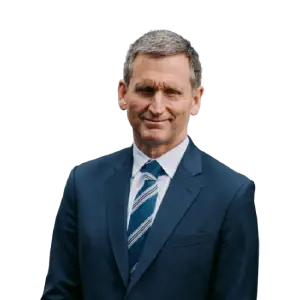
The host and chair is one of the United Kingdom's most senior parliamentary voices on AI regulation, who sponsored some of the first legislations on the topic, joined by co-chairs and rapporteurs from the major AI jurisdictions. Each edition produces a formal proceedings document that informs policy work in the following year. The Summit is designed for smaller jurisdictions to shape — rather than inherit — global standards applied locally. #AIR26
House of Lords
Key Sessions Include
-

Global regulators’ briefing on the evolving AI rulebook and how it will be enforced.
-
How to classify, document and govern high-risk and general-purpose AI systems.
-

Allocating responsibility for foundation and agentic AI between developers, deployers and users.
-
AI in core public-interest domains: safeguards for rights, consent, safety and due process.
-

AI, national security and public protection: dual-use risks, export controls and escalation.
-

Synthetic media and deepfakes: protecting elections, information integrity and public trust.
-
Generative AI and intellectual property: training data, creator rights and the litigation wave.
-
AI, work and organisations: automation, algorithmic management and collective voice.
-

The next 12-month governance playbook: what policy and compliance leaders must build now.
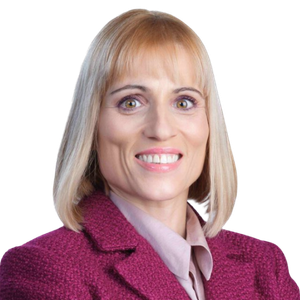
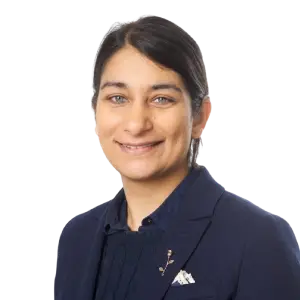
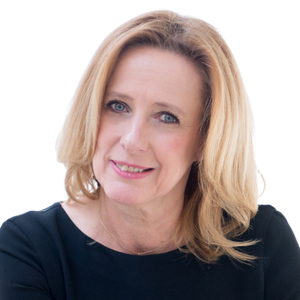
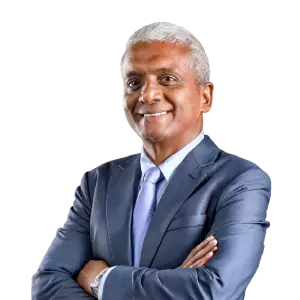
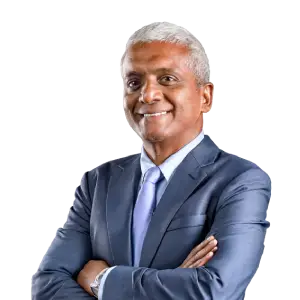
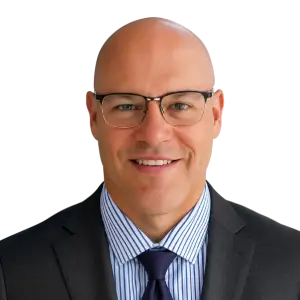
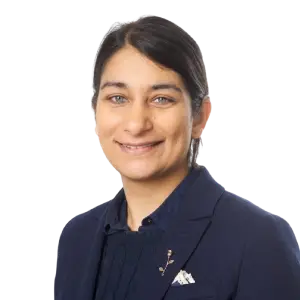
Senior Regulators, Policymakers, Academics and Legal Experts take the stage.
Meet Our Confirmed Speakers
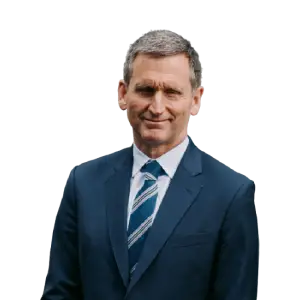




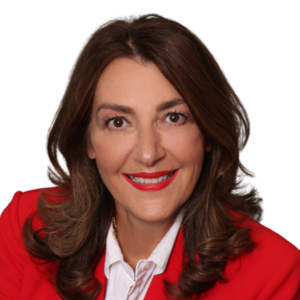
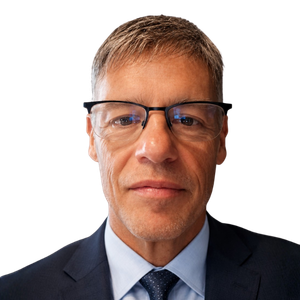
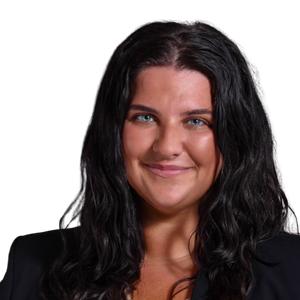
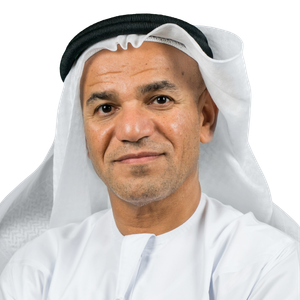
* Speakers and advisory contributors will be announced progressively as confirmations are received.
Why This Summit Matters Now
AI regulation in 2026 is no longer a discussion about principles. It is a live contest over enforcement, jurisdiction, liability and access — and the outcomes will reshape industries, public administration and civil rights for a generation.

The first enforcement cycle is already underway
EU AI Act high-risk obligations are biting before technical standards, the assurance market and supervisory tooling are ready. Boards are being asked to certify systems nobody yet knows how to assess.

The geopolitical fracture is hardening
The EU's risk-based framework, the US innovation-first posture, China's state-led model and the Gulf's sovereignty agenda are competing political economies of AI. Standards bodies — ISO, IEEE, ITU, OECD — have become the new diplomatic terrain.
Agentic and generative AI have outrun the rulebook
AI systems now generate, decide, transact and act across organisational workflows. The copyright litigation wave is producing court decisions faster than any legislature can respond. Synthetic media is mature enough to interfere with elections, identity and finance.

Smaller jurisdictions can no longer afford to wait and copy
More than sixty countries are drafting AI legislation. Those that move late will inherit somebody else's definitions of risk, liability and certification. The Summit is built for them to learn as they build their own responses.

Industry needs honest exposure to where the rules will hurt
Regulators need to hear where rules will fail at implementation. Industry needs to hear what will not be negotiable. Neither conversation happens at investor days or commercial conferences.

The judiciary and the legal profession are about to be tested
Courts are being asked to rule on autonomous-decision liability, evidentiary standards for AI-mediated harms and remedies that statute does not yet anticipate. A shared vocabulary is needed before the first major case sets the wrong precedent for everyone.
Nine streams shaping the agenda
Jurisdictional policy architecture
UK, EU, US, Singapore, Japan, Middle East, Hong Kong, China and multilateral approaches.
Compliance readiness
What regulated and non-regulated industries need to understand now to prepare for future AI obligations.
Agentic AI and accountability
Liability, evidence, human oversight and decision ownership when AI systems act.
Foundation models & GPAI
Model-layer obligations, systemic risk, open-source treatment, compute governance and deployment controls.
AI assurance & auditability
Evidence trails, risk registers, audit interfaces, testing, documentation and defensible governance.
Regulator–industry exchange
A structured exchange on what regulators, developers and industry leaders misunderstand about each other.
Rights, trust & public accountability
Digital trust, identity, synthetic content, discrimination, redress and fundamental rights.
Standards & international coordination
How ISO, IEEE, ITU, OECD, NIST and other bodies are shaping global AI regulatory alignment.
AI sovereignty and infrastructure
Compute, energy, national capability, AI safety institutes and the infrastructure behind regulatory power.
Who Should Attend
Policymakers and drafters
Civil servants, ministerial advisers, parliamentary committee staff and policy unit leads who draft the working papers, white papers and code-of-practice texts that are translated into legislation.
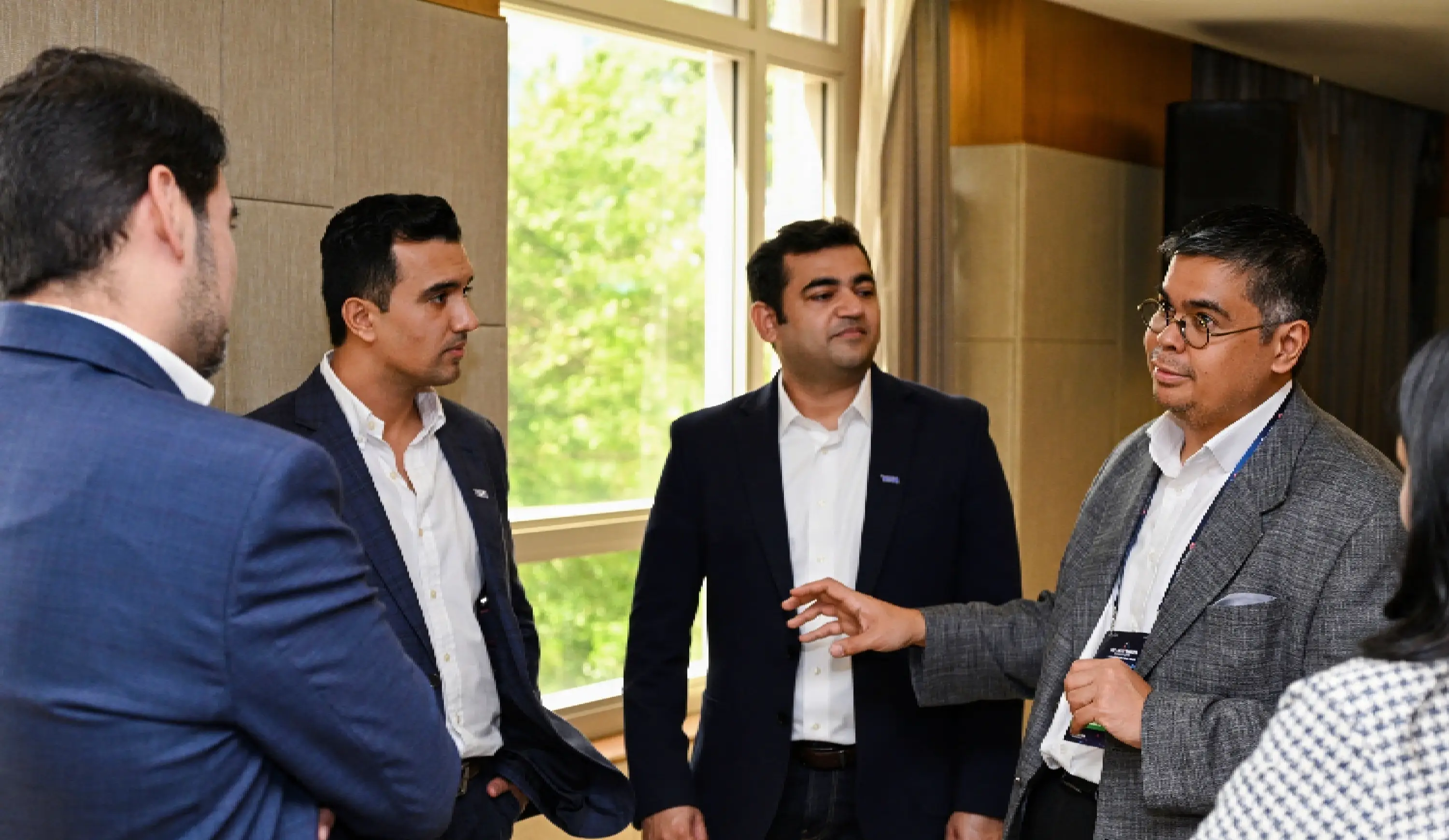
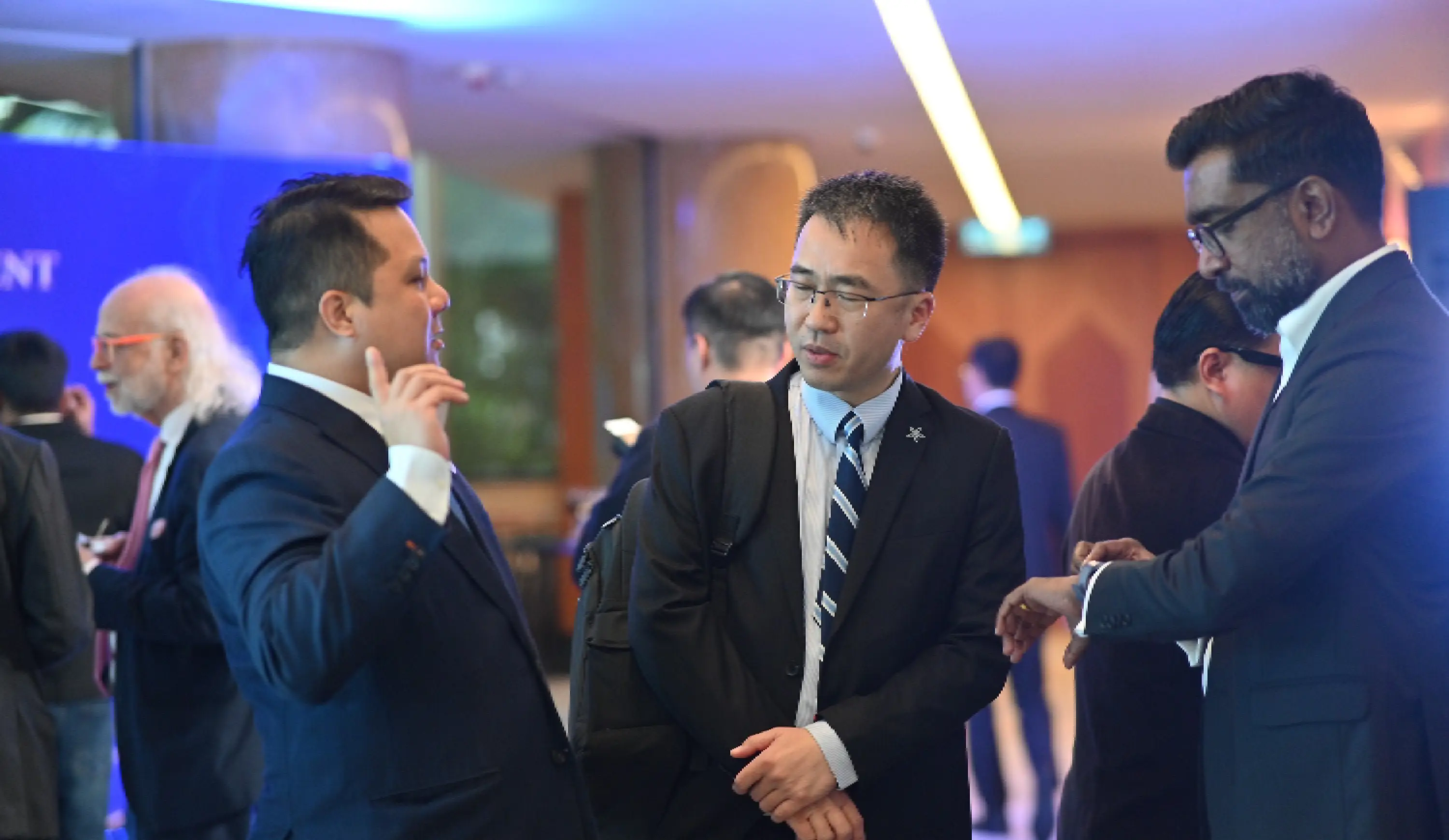
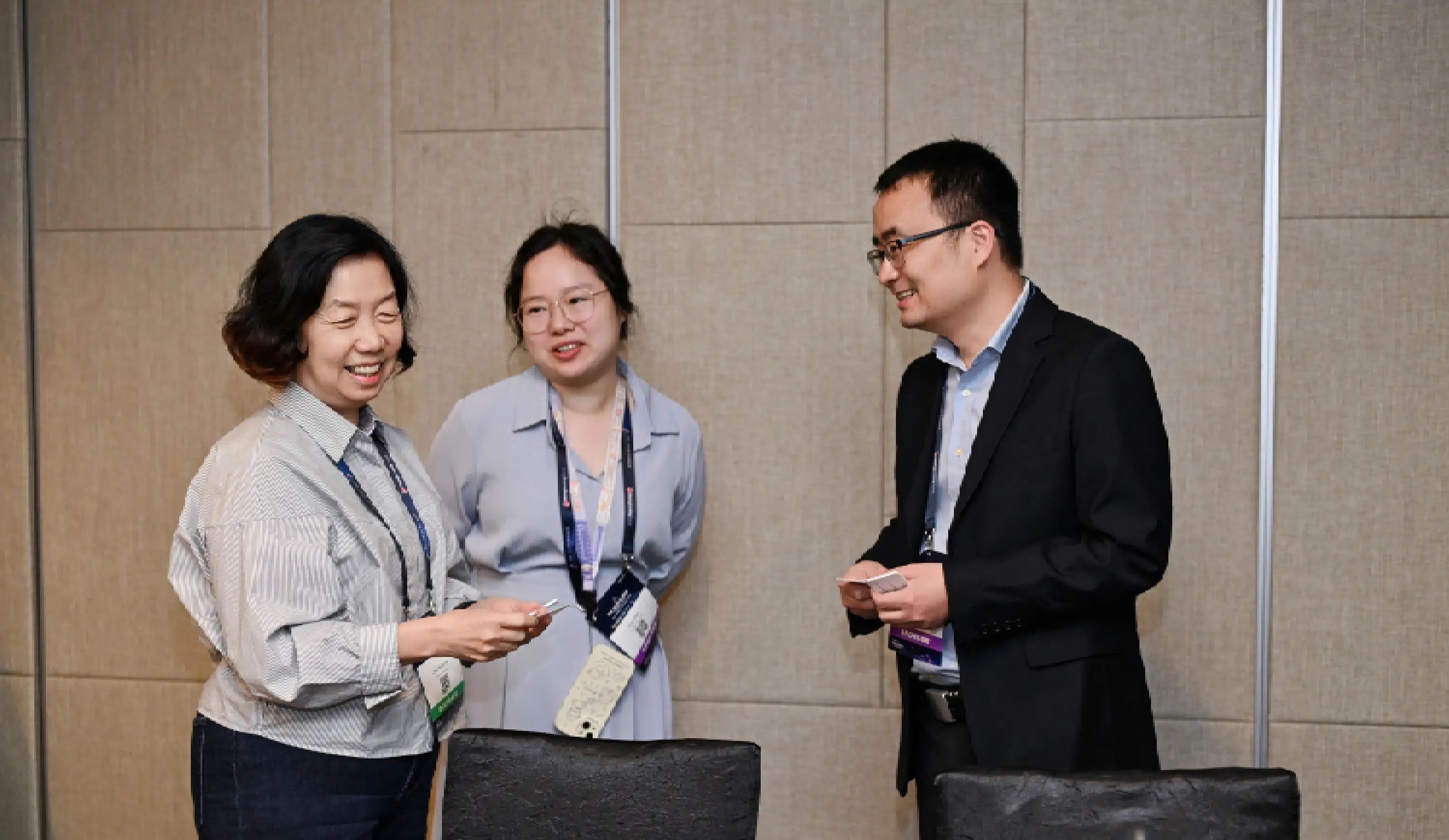
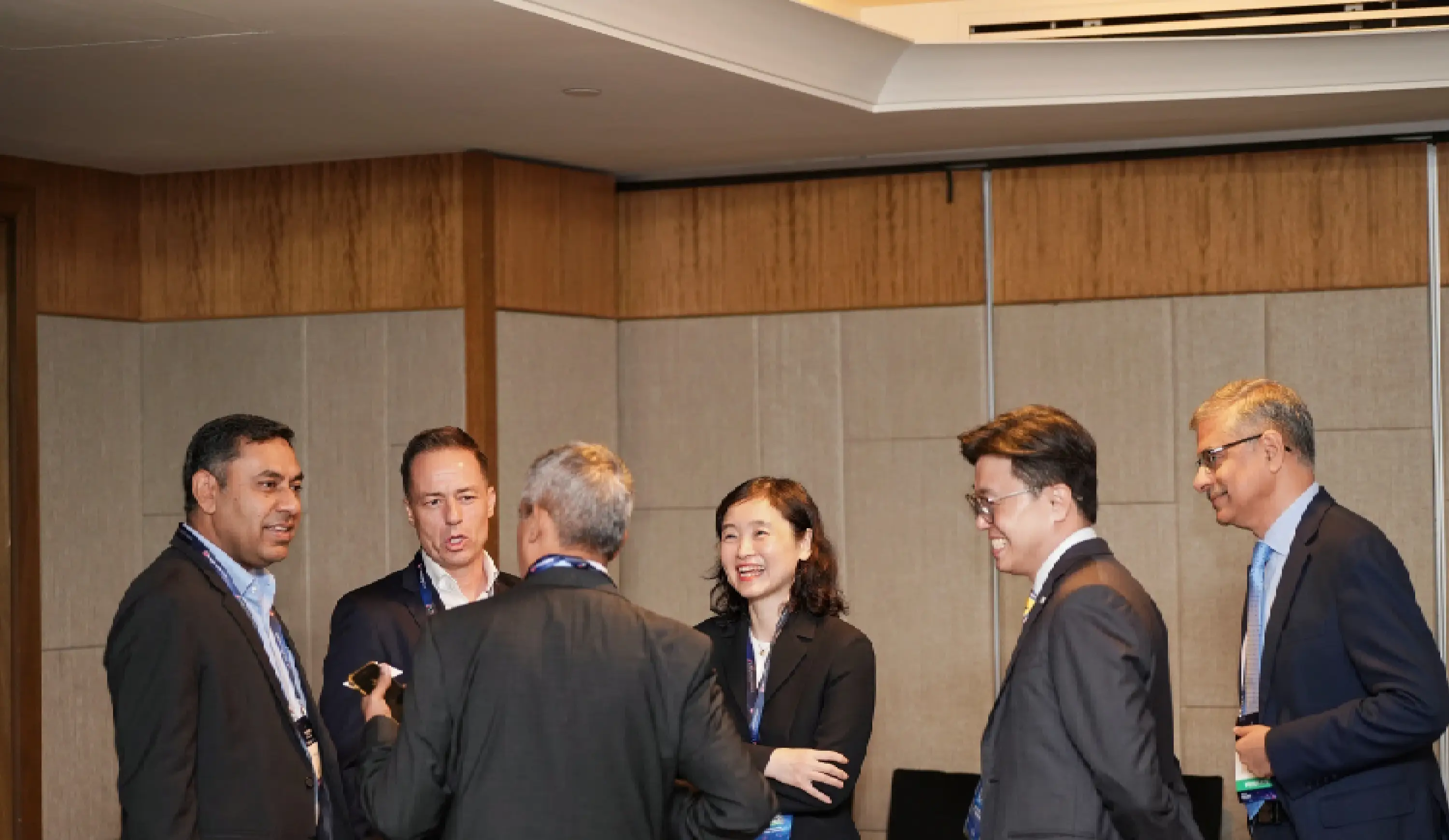
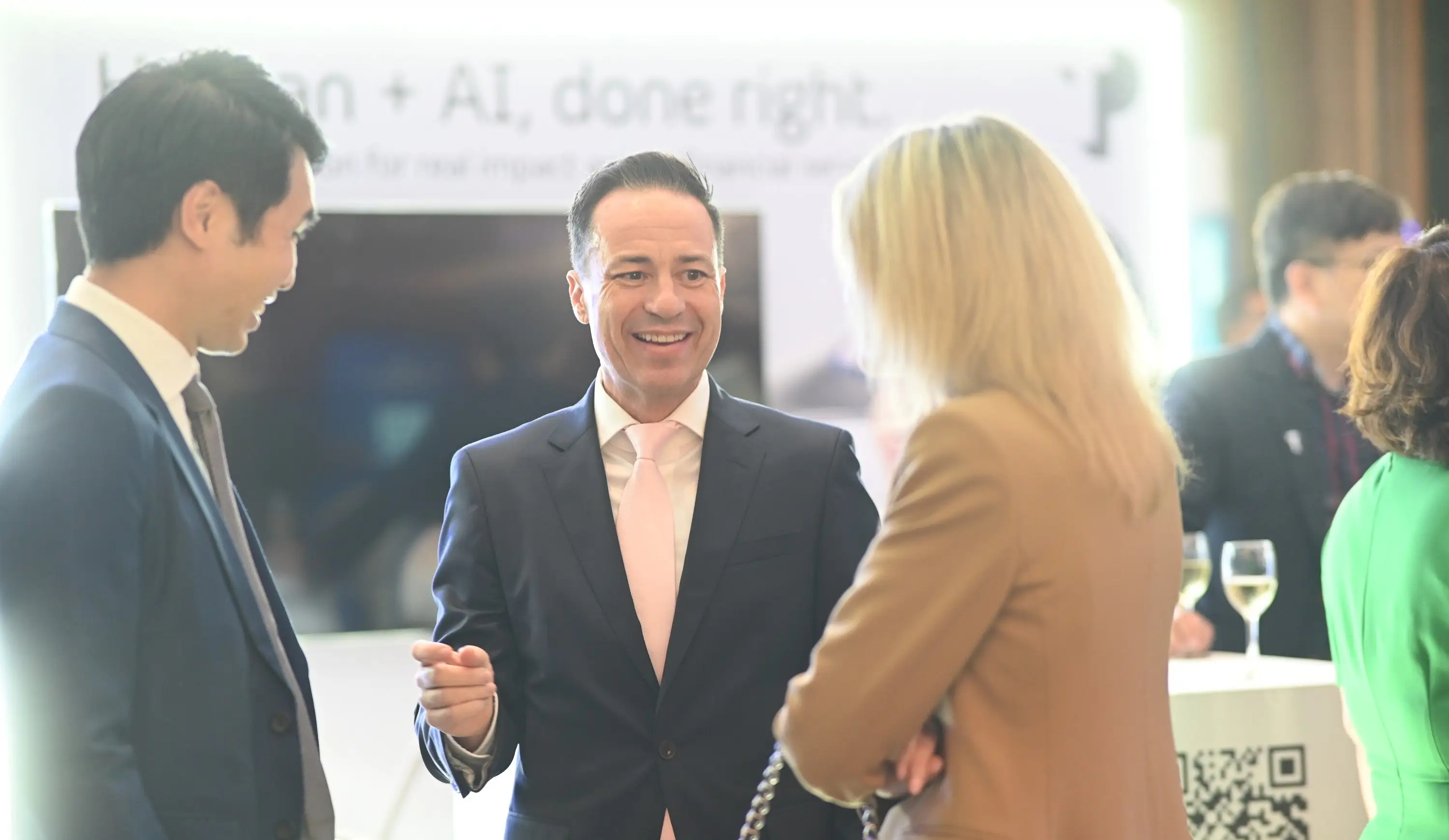
Legislators and assistants
Sitting parliamentarians, peers, congressional and senate members, MEPs and committee chairs with active AI portfolios, with direct off-the-record access to counterparts in other jurisdictions.
Legal, compliance and related professions
Judges and tribunal members with AI matters before them; barristers, solicitors and in-house counsel; senior partners in advisory and assurance firms; and the technical-compliance professionals who translate statute into evidence.
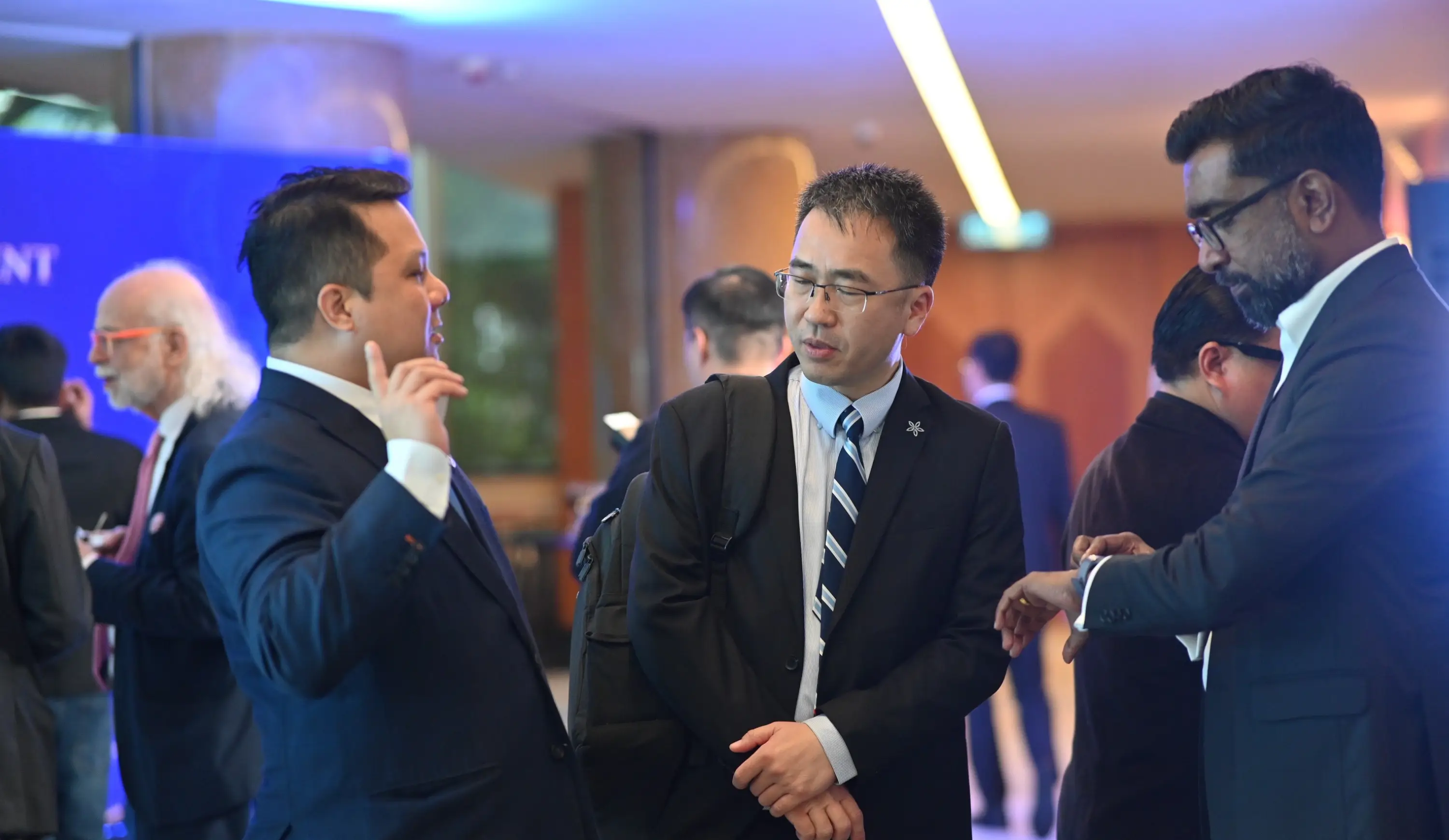
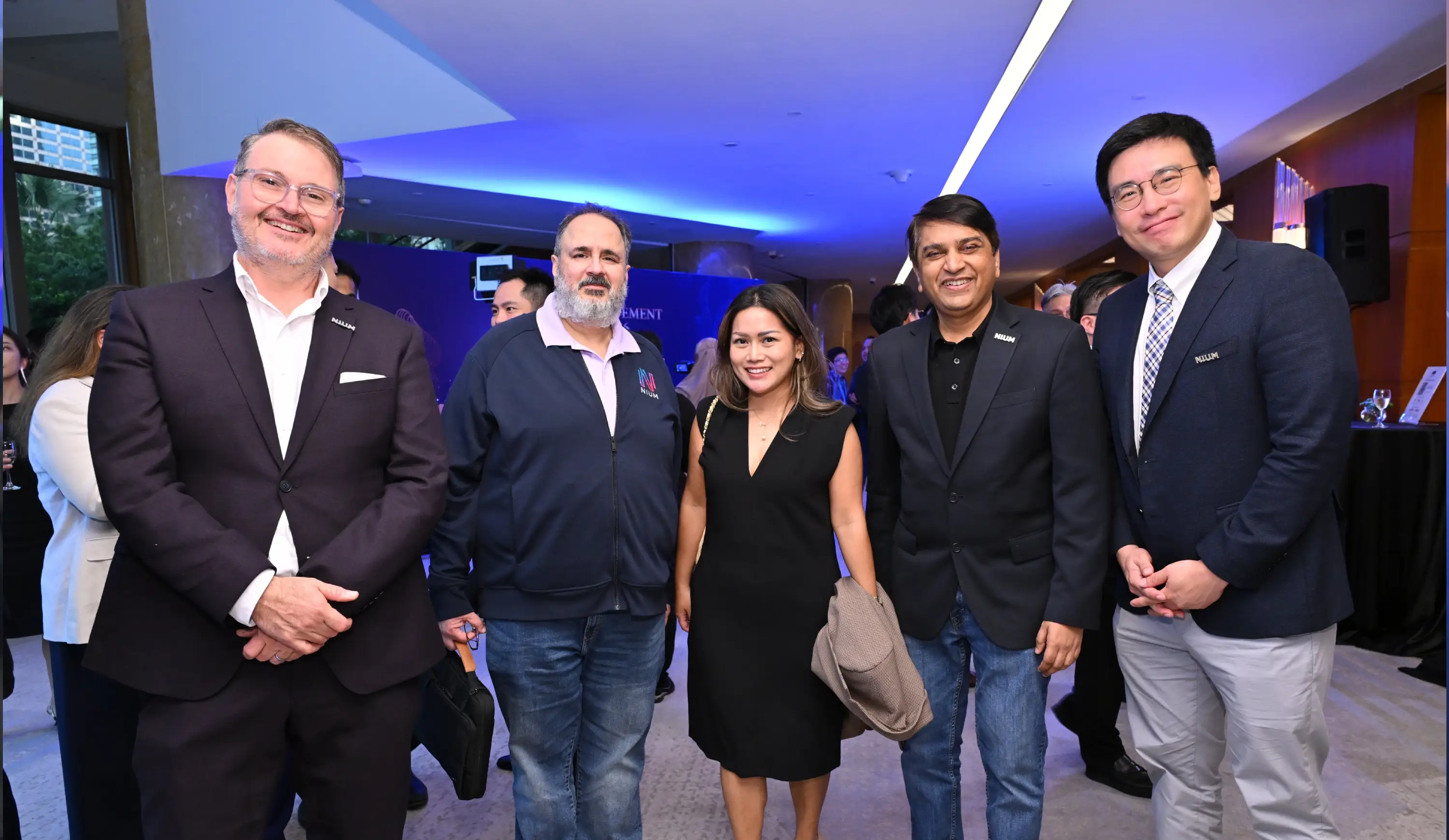
Public policy leaders in technology companies and major corporations
Heads of AI policy, government affairs, responsible AI, model risk and trust & safety at AI labs, cloud providers, model developers, assurance platforms and major industrial corporations embedding AI in regulated activities.
Leading tech players
Senior public policy, legal, compliance, responsible AI, trust and safety, government affairs and product leaders from AI labs, cloud providers, model developers, platform companies and major technology firms operating under emerging AI regulation.
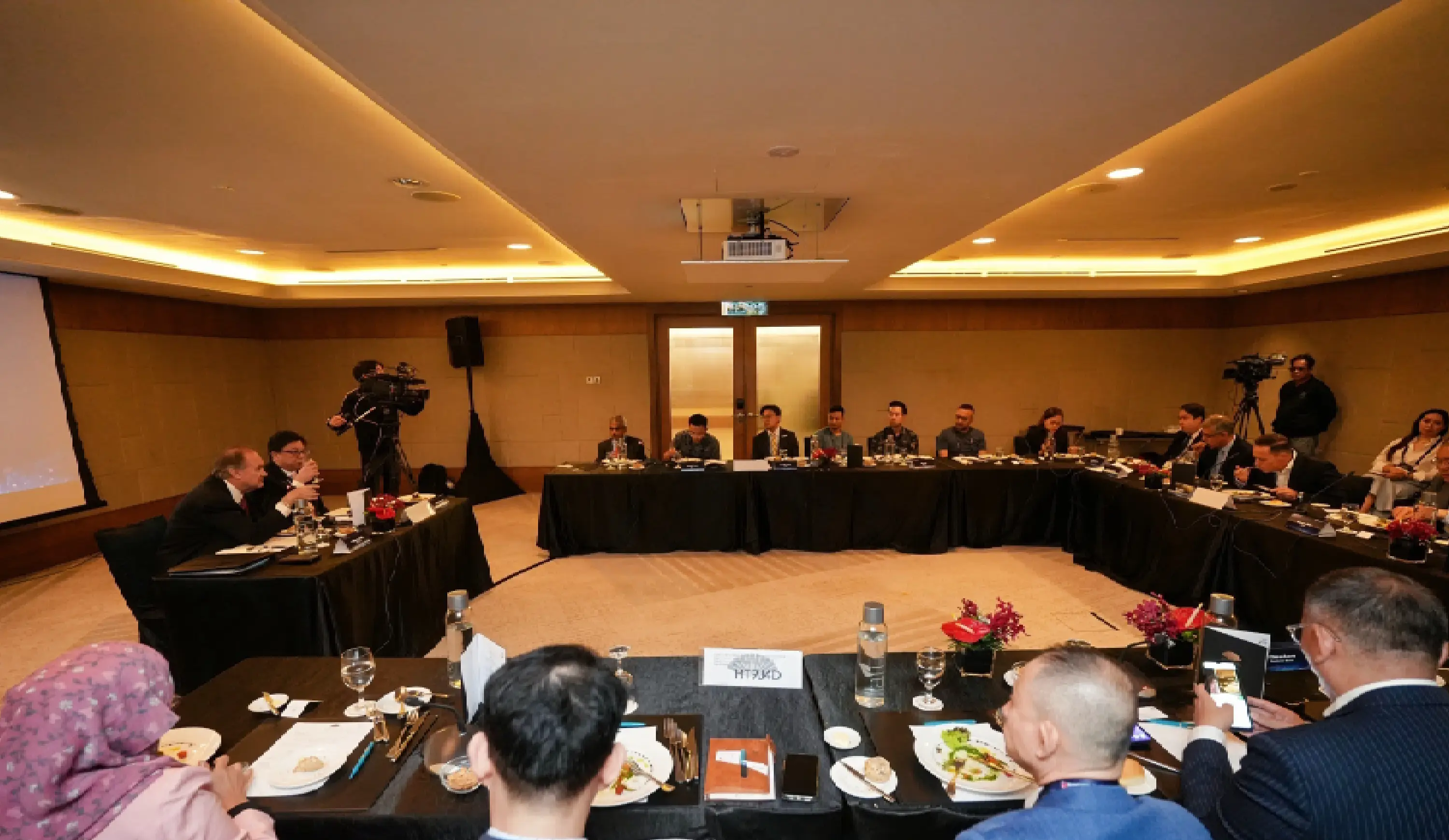
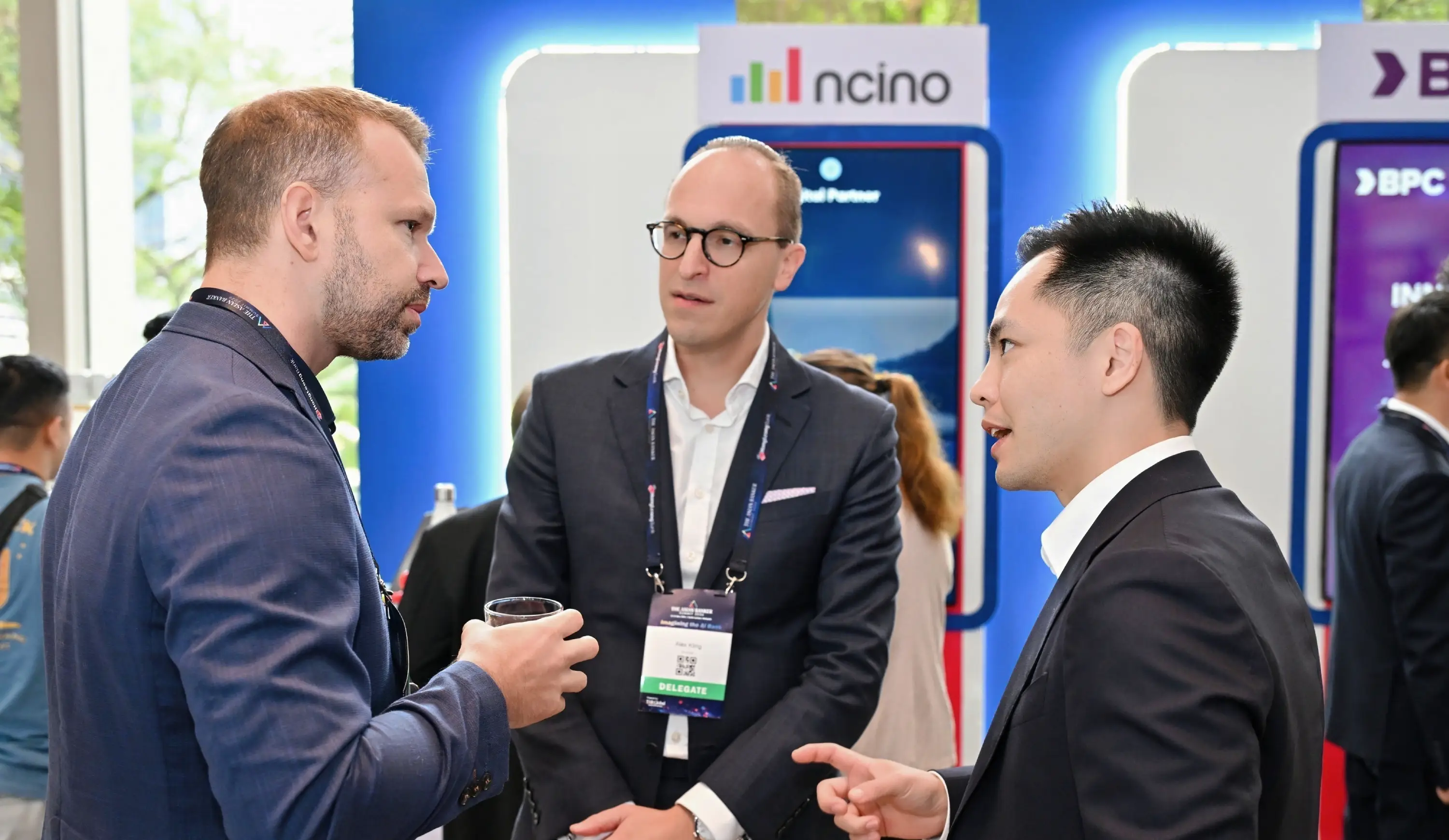
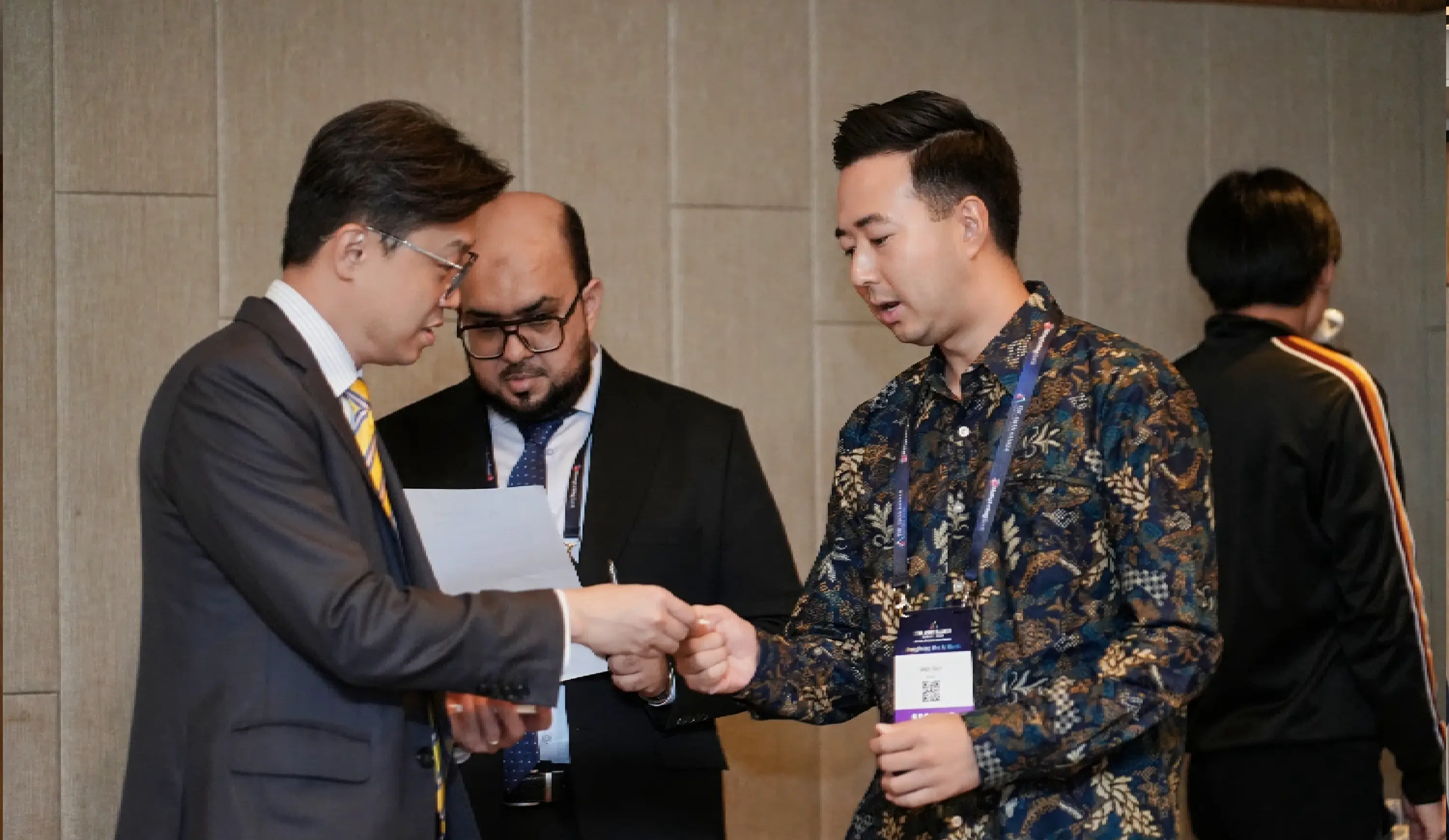
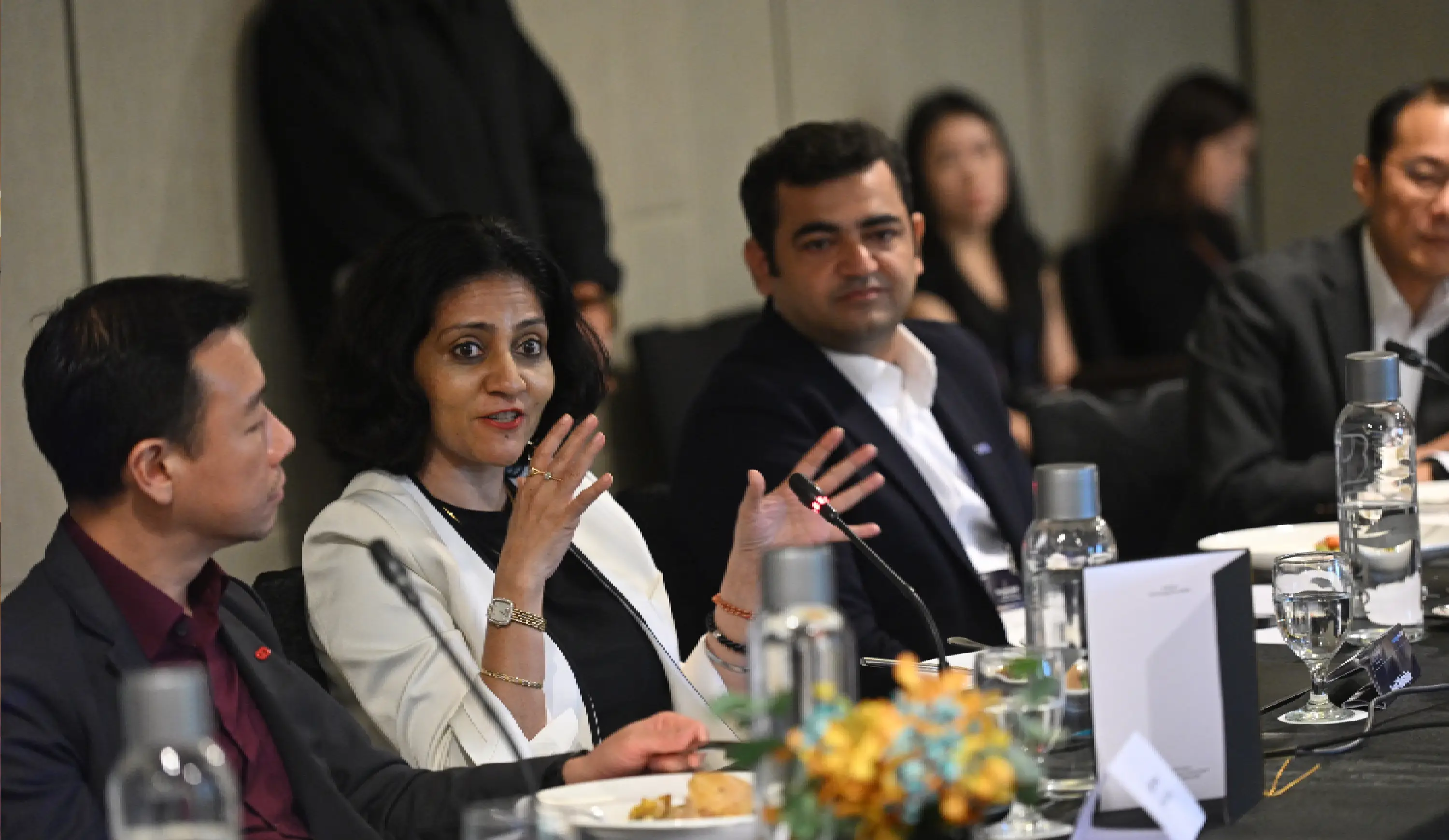
NGOs, civil society and other influencers
Digital rights organisations, consumer protection bodies, trade unions, think tanks and independent voices whose evidence and advocacy shape both legislation and public legitimacy.
Standards bodies, international organisations and sector regulators
Senior figures from ISO, IEEE, NIST and equivalent national standards bodies; the OECD, UN, ITU, GPAI and Council of Europe; sectoral regulators in financial services, health, telecoms, competition and data protection; international AI safety institutes; and selected senior journalists covering AI policy.
Delegate Pass

Standard Pass
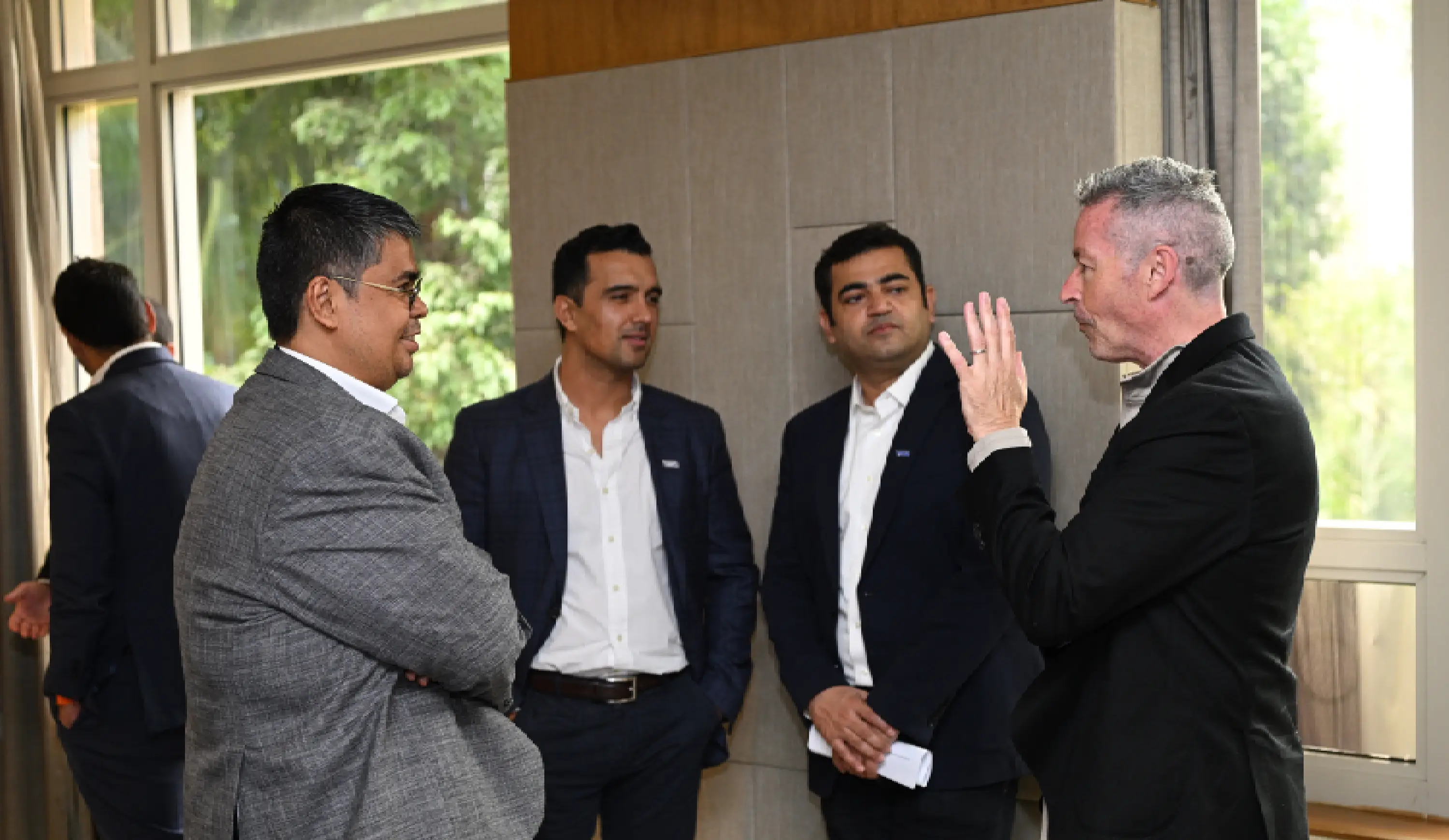
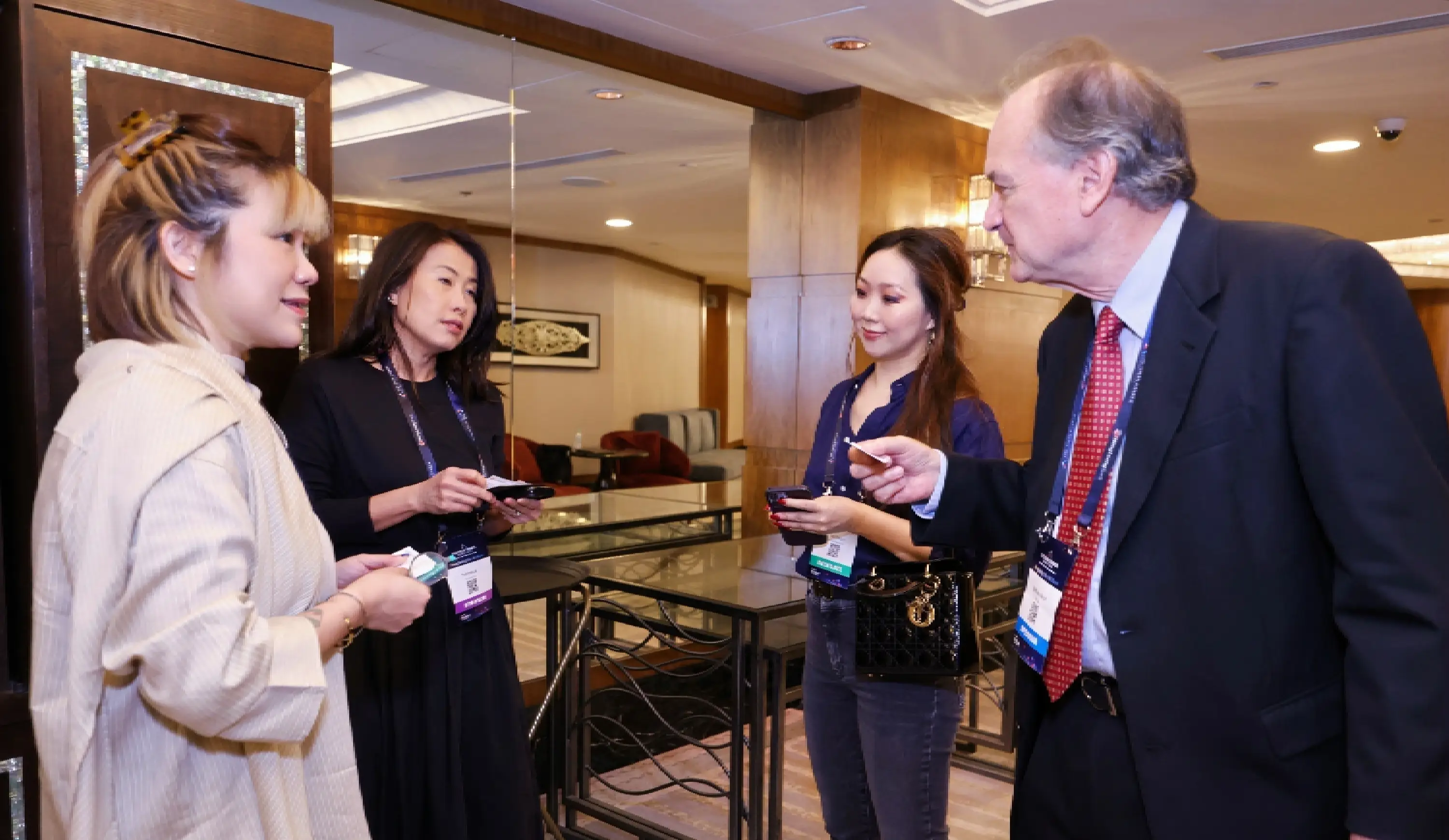
The Standard Pass is designed for senior delegates who want full access to the summit’s policy discussions, regulatory briefings and cross-industry governance sessions.
Includes:
- Access to all main conference sessions across both days
- Access to all breakout sessions
- Morning and afternoon refreshments
- Working lunches on both days
- Delegate networking opportunities
- Access to the approved post-summit proceedings summary
- Delegate materials and event updates
- Access to event app
Venue
The Pelligon, Canary Wharf
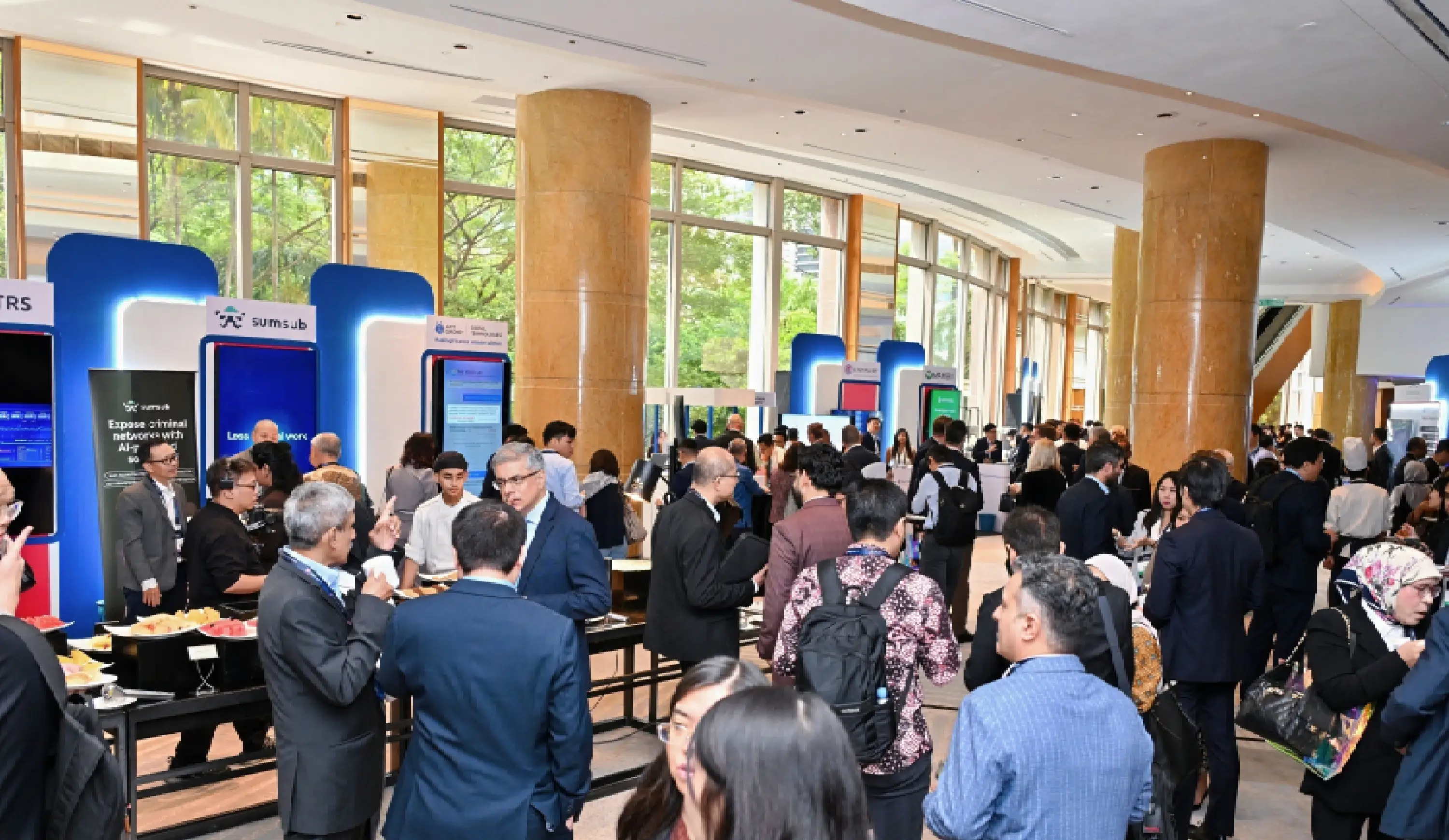
#AIR26 takes place at The Pelligon, a glass-and-light riverside venue in the heart of Canary Wharf, London's financial and professional services district. Designed by architect César Pelli, its soaring atrium overlooks South Dock and the Wharf's skyline — a fitting setting for two days of direct exchange among the people shaping AI regulation worldwide.
The Pelligon 43 Bank Street London E14 5NX
- 2 minutes from Canary Wharf station (Jubilee line, Elizabeth line, DLR)
- 2 minutes from Heron Quays station (DLR)
Frequently Asked Questions (FAQs)
Everything you need to know about World AI Regulation Summit 2026
AI Regulation News

Meta testing Hatch AI assistant as AI race with OpenAI, Anthropic heats up: Report
Meta is reportedly preparing to expand its artificial intelligence (AI) ambitions with a new AI agent called Hatch, as the company looks to compete more aggressively with rivals such as OpenAI and Anthropic.
Read MoreJOIN US ON 5-6 NOVEMBER 2026